
Get in Touch
Home Insights Blog Healthcare IT

Healthcare IT Trends 2026: Critical Insights Before HIMSS

DATE July 15, 2026
READ 15 min
AUTHOR By Connexr Research Team
KEY TAKEAWAYS
  • AI becomes essential infrastructure: Clinical decision support systems now achieve diagnostic accuracy comparable to specialists, while ambient documentation reduces physician burnout from 50.6% to 29.4%.

  • Revenue cycle automation delivers measurable ROI: Organizations implementing comprehensive RCM solutions report 30-40% fewer billing errors and denial rates dropping from 14% to below 5%.

Healthcare IT is undergoing a fundamental transformation as we approach 2026,

with AI commanding 54% of venture capital investments and physician adoption surging from 38% to 66% in just one year. The future looks different with cloud-native data platforms taking over traditional departmental IT models, and ambient clinical documentation has become standard practice rather than just an innovation. Healthcare faces some tough challenges ahead. Experts predict uninsured rates might double by 2026, and rural health workforce shortages could rise by 10%. Healthcare organizations should prepare for these changes before the next HIMSS conference. This preparation will help them stay competitive and provide the best patient care. This piece explores everything in healthcare IT that will shape 2026 -- from AI and machine learning breakthroughs to the interoperability solutions that will define healthcare's future.
AI and Machine Learning Taking Center Stage in Healthcare IT

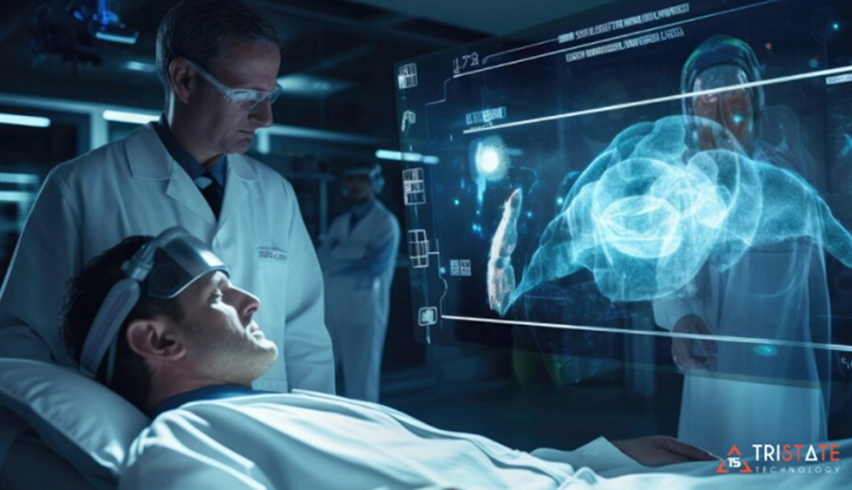
AI and digital health tools have gained massive acceptance among physicians. Their adoption rates jumped from 38% to 66% in the last year. This surge shows how AI has become a core strategic component rather than just an add-on technology.

AI and digital health tools have gained massive acceptance among physicians. Their adoption rates jumped from 38% to 66% in the last year. This surge shows how AI has become a core strategic component rather than just an add-on technology.

Clinical Decision Support Systems Maturation

Clinical decision support systems (CDSS) have come a long way since their debut in the 1970s. Modern AI-powered CDSS can now process huge datasets, spot complex patterns, and customize recommendations based on patient needs. These systems have shown amazing results — some AI tools match trained dermatologists in accuracy when they classify certain skin cancers. These technologies also excel at spotting unusual patterns and predicting clinical outcomes, especially for conditions like heart failure.

ROI Measurement and Value Demonstration

AI proves its worth beyond just making operations better. Predictive sepsis detection cuts ICU stays, saving $1,500 to $3,000 per case — adding up to $1-2 million yearly for a typical 100-bed hospital. AI tools for heart failure management can save between $8,000 and $12,000 each time they prevent a readmission.

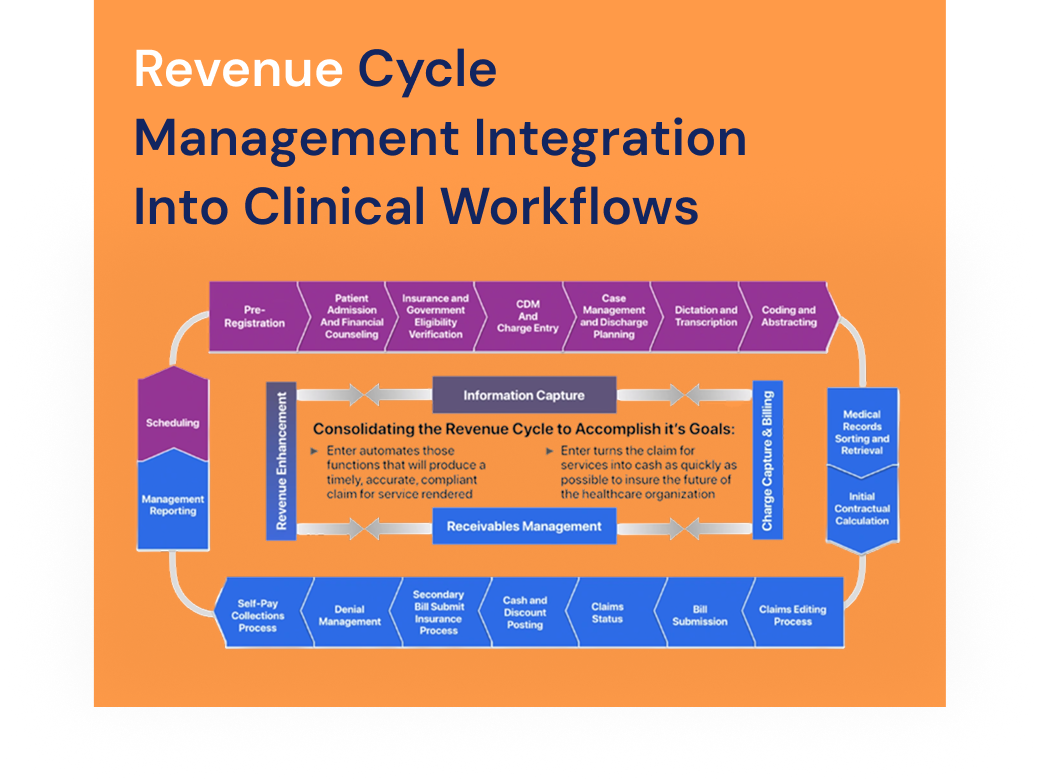
Cycle Management Integration Into Clinical Workflows

Healthcare's revenue cycle management operations face tough integration challenges today. One-third of authorization tasks still need manual handling through phone, fax, or email. Only 31% use fully electronic methods. Other healthcare technologies have advanced, yet RCM processes trail behind claims submissions (98% electronic) and eligibility verification (94% electronic).

Cycle Management Integration Into Clinical Workflows

Front-EndRCM Automation Tools

Modern platforms establish the foundations of successful revenue cycle management before patients arrive. These systems connect scheduling, registration, and patient financial counseling. Industry data shows that clinics with connected systems process payments 20–25% faster and reduce billing errors by 30–40%. This allows organizations to shift their core team from paperwork to patient care.

Prior Authorization Process Optimization

Authorization inefficiencies create major bottlenecks. About 95% of healthcare organizations report patient care delays or denials because of prior authorization requirements. The Centers for Medicare & Medicaid Services Final Rule requires FHIR-based electronic prior authorization systems with strict turnaround times — 7 days for standard requests and 72 hours for urgent ones. Organizations that use electronic prior authorization solutions save an average of 11 minutes per transaction, which could help the industry reduce costs by $317 million.